How Roof Ventilation Helps Prevent Moisture and Mold
Roof ventilation helps prevent moisture and mold buildup by improving airflow, and local service providers can ensure your system is properly installed and maintained.
Proper roof ventilation plays a crucial role in maintaining a healthy and durable home environment. When ventilation systems are effective, they help regulate moisture levels inside the attic and roof space, preventing excess humidity from building up. This is especially important in areas prone to high humidity or seasonal weather changes, where trapped moisture can lead to issues like wood rot, structural damage, and the growth of mold. Property owners exploring ways to protect their homes often find that investing in quality roof ventilation solutions provided by local contractors can make a significant difference in preserving the integrity of their property.
Understanding how roof ventilation helps prevent moisture and mold can empower property owners to make informed decisions about their home maintenance. Local service providers who specialize in ventilation systems can assess existing setups, recommend appropriate solutions, and install systems that promote airflow and moisture control. By ensuring proper ventilation, homeowners can reduce the risk of mold growth and other moisture-related problems, ultimately supporting a healthier, more resilient home environment. Keep reading to learn more about the benefits and practical considerations of roof ventilation for your property.
- Attic Ventilation Installation - homeowners noticing excess moisture buildup may need attic ventilation to improve airflow and reduce mold risk, with local contractors assessing and installing appropriate vents.
- Roof Ventilation Repair - when existing roof vents are damaged or blocked, local service providers can repair or replace them to ensure proper moisture escape.
- Attic Insulation and Ventilation Assessment - properties experiencing condensation issues often require evaluations from local pros to optimize ventilation and prevent mold growth.
- Roof Ventilation System Upgrade - older ventilation setups may need upgrades to enhance airflow, with local experts tailoring solutions to prevent moisture accumulation.
- Venting Solutions for Attic Moisture Control - homes with persistent humidity problems can benefit from specialized venting options provided by local contractors to help control moisture and inhibit mold development.
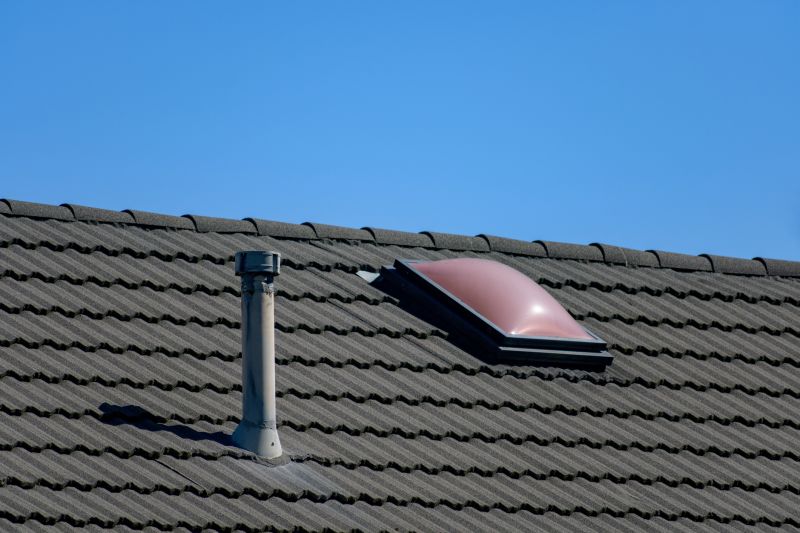
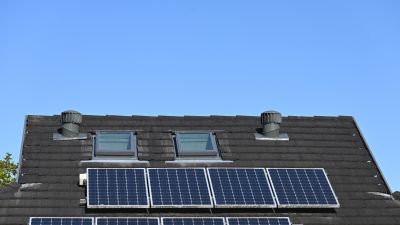
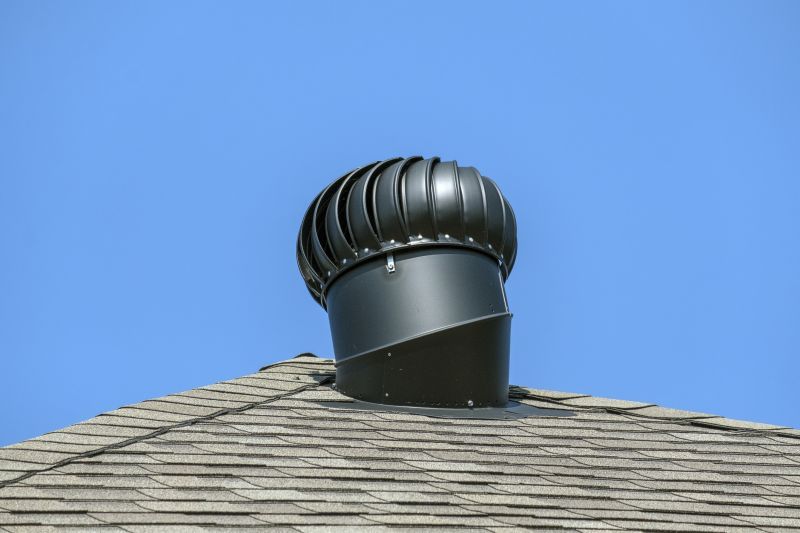
When homeowners search for information about how roof ventilation helps prevent moisture and mold, they often want to understand the connection between proper attic airflow and indoor air quality. Many are concerned about issues like dampness, musty odors, or visible mold growth on ceilings and walls. Typically, these searches stem from experiences with attic condensation, ice dams in colder months, or notices of mold in living spaces. The goal is to find ways to improve attic ventilation to reduce excess moisture that can lead to structural damage or health problems, making it a common consideration during home upgrades or repairs.
This topic relates closely to problems associated with poor attic airflow, such as trapped humidity, condensation, and the development of mold. When warm, moist air rises into the attic and cannot escape, it condenses on cooler surfaces, creating a breeding ground for mold and mildew. This not only damages roofing materials but can also compromise insulation and interior finishes. Many property owners plan to install or upgrade roof ventilation systems as part of routine maintenance or to address existing moisture issues, aiming to create a healthier, more stable environment inside the home.
The types of properties that most often come up in these discussions include single-family homes, especially those with attics that are not well-ventilated. Older homes with outdated or insufficient ventilation setups are common candidates for improvements. Additionally, homes with complex roof designs, large attic spaces, or those located in humid or colder climates tend to experience more moisture-related problems, making proper roof ventilation a priority. Commercial buildings and multi-unit residential complexes may also benefit from effective ventilation to control moisture levels and prevent mold growth in their roof spaces.
For homeowners exploring solutions, understanding how roof ventilation helps prevent moisture and mold connects directly to the work of local contractors who specialize in attic and roof system upgrades. These service providers can evaluate existing ventilation setups and recommend appropriate solutions, such as ridge vents, soffit vents, or attic fans. Proper installation ensures that moist air can escape efficiently, reducing condensation and the risk of mold. Engaging with experienced local pros can help property owners implement effective ventilation strategies tailored to their specific property type, climate, and needs, leading to a healthier and more durable home environment.
Attic Insulation Installation - Proper insulation work often involves planning ventilation to prevent moisture buildup and mold growth in attics.
Roof Repair and Replacement - Ensuring proper ventilation is a key part of roof repairs and replacements to avoid moisture-related issues.
Attic Ventilation System Installation - Installing vents and fans helps improve airflow, directly supporting how roof ventilation prevents moisture and mold.
Gutter and Drainage System Services - Effective gutter systems reduce excess moisture around the roof, complementing ventilation efforts to prevent mold.
Attic Air Sealing - Sealing leaks in attics works alongside ventilation to maintain proper moisture levels and inhibit mold growth.
Roof Inspection and Maintenance - Regular inspections include assessing ventilation systems to ensure they help prevent moisture and mold issues.
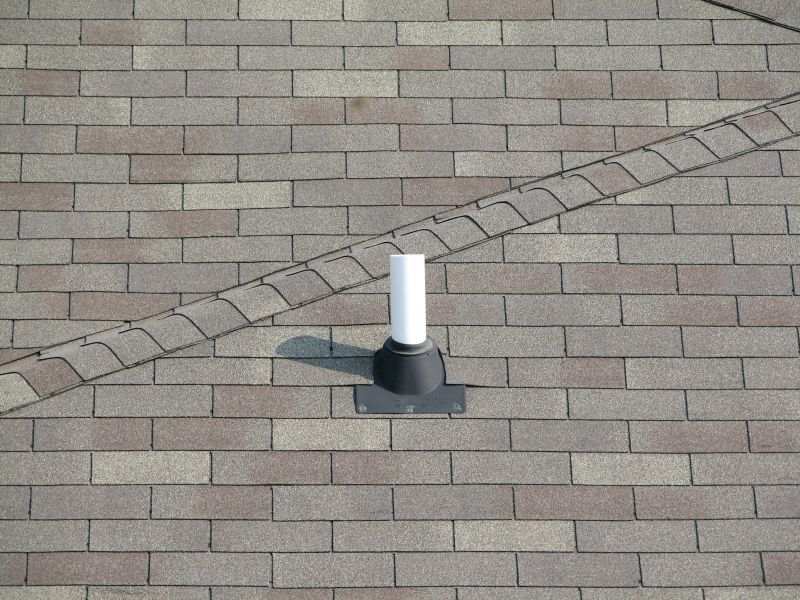
When comparing local contractors for roof ventilation services, it’s important to consider their experience with similar projects. Homeowners should inquire about the contractor’s background in installing or repairing roof ventilation systems, especially in homes with comparable roof types or climates. An experienced service provider will have a better understanding of how roof ventilation can help prevent moisture buildup and mold growth, ensuring the system is tailored to the specific needs of the property. This familiarity can lead to more effective solutions and fewer issues down the line.
Clear written expectations are essential when evaluating potential service providers. Homeowners should seek detailed descriptions of the scope of work, including the types of ventilation systems offered, installation procedures, and any necessary preparations or follow-up steps. Having these details in writing helps ensure everyone is aligned on what will be done and prevents misunderstandings. It also provides a basis for comparing different contractors’ approaches to how roof ventilation can help prevent moisture and mold, making it easier to identify the most suitable option.
Reputable references and strong communication are key factors in choosing a reliable contractor. Homeowners should ask for references from previous clients who had similar work completed and inquire about their experiences, focusing on the quality of work and how well the contractor communicated throughout the project. Good communication includes responsiveness, clarity in explanations, and willingness to answer questions about how roof ventilation contributes to moisture control and mold prevention. These qualities can indicate a trustworthy service provider capable of delivering effective solutions and ensuring the homeowner’s concerns are addressed throughout the process.
Property owners often search for how roof ventilation helps prevent moisture and mold when they are planning practical projects around their homes and businesses. Local pros provide Roof Ventilation services for everyday jobs and straightforward project options.
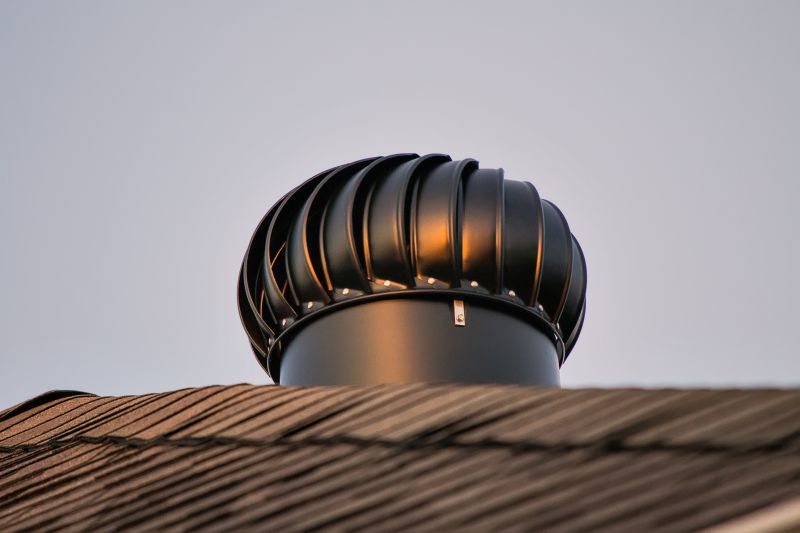
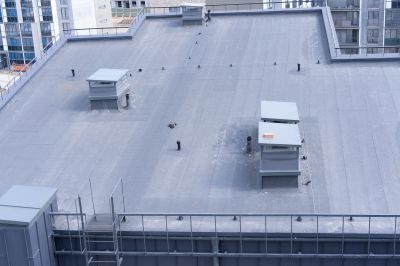
Proper roof ventilation plays a key role in preventing moisture buildup inside the attic and roof space, which can lead to mold growth and structural issues. Homeowners dealing with recent leaks, increased humidity, or visible mold spots often seek out local contractors who specialize in ventilation solutions to address these concerns effectively. By ensuring adequate airflow, these service providers help maintain a balanced environment under the roof, reducing the risk of dampness and mold that can compromise the integrity of the property over time.
Many property owners in the area look into roof ventilation services when they notice signs of excess moisture or musty odors in their homes. Simple projects like installing or upgrading vents can make a significant difference in controlling humidity levels and preventing mold from taking hold. Local contractors experienced in ventilation systems can assess existing setups and recommend practical improvements, giving homeowners peace of mind that their attic and living spaces remain dry and healthy.
How does roof ventilation help prevent moisture buildup? Proper roof ventilation allows moist air to escape from the attic or roof space, reducing humidity levels that can lead to moisture accumulation and potential damage.
In what ways can roof ventilation reduce mold growth? By controlling moisture levels and promoting airflow, roof ventilation helps prevent the damp conditions that mold spores need to thrive, thus reducing mold development.
Why is adequate roof ventilation important for preventing roof damage? Good ventilation minimizes condensation and excess moisture, which can cause wood rot, deterioration of roofing materials, and structural issues over time.
How do local contractors install roof ventilation systems to combat moisture? They assess the roof and attic space to recommend suitable ventilation options, then install vents or fans that promote airflow and moisture control.
Can roof ventilation improve indoor air quality and prevent mold indoors? Yes, effective roof ventilation helps maintain proper attic conditions, which can reduce the transfer of moisture and mold spores into living spaces, supporting healthier indoor air quality.
Assessing attic ventilation needs - property owners can evaluate their attic space to identify areas where ventilation can be improved, ensuring proper airflow with the help of local contractors.
Installing ridge or soffit vents - homeowners can work with local service providers to add or upgrade vents that promote continuous airflow, reducing moisture buildup.
Sealing attic leaks and insulation gaps - addressing gaps and leaks with the help of local pros can prevent excess moisture from entering the attic and causing mold issues.
Regular maintenance and inspections - scheduling periodic inspections with local contractors helps maintain effective roof ventilation systems that prevent moisture accumulation over time.
If you are thinking about how roof ventilation helps prevent moisture and mold for a property, this guide is meant to help you understand this topic, the typical project types, and how different options might fit your plans.
When you are ready, you can use the quote form on this page to share a few details about your project. From there, local pros can review the basics and follow up with options that match what you have in mind.