Get Roof Flashing Installation
Roof flashing installation services help property owners prevent leaks and water damage by properly sealing roof joints, chimneys, vents, and skylights with experienced local contractors.
Proper roof flashing installation is a critical step in protecting a property from water intrusion and structural damage. Property owners in the area who are planning roof repairs or upgrades often consider flashing work to ensure their roofs remain durable and weather-resistant. Exploring local contractors who specialize in roof flashing can help in making informed decisions about maintaining the integrity of a building’s exterior.
For those looking to enhance their property's resilience, comparing options among local service providers can provide valuable insights into available expertise and approaches. Whether addressing existing issues or preparing for future weather challenges, researching and connecting with experienced contractors can support a well-planned roofing project. Keep reading to learn more about how local pros can assist with roof flashing installation needs.
- Roof Flashing Installation - needed when installing new roofing to ensure proper sealing around vents, chimneys, and edges.
- Leak Repair - required if water is penetrating through flashing areas, causing damage inside the building.
- Roof Renovation - necessary during major roof upgrades where flashing components need to be replaced or upgraded.
- Vent and Skylight Flashing - essential when installing or replacing vents and skylights to prevent water intrusion.
- Storm Damage Restoration - needed after severe weather to repair or replace damaged flashing that may have been compromised.
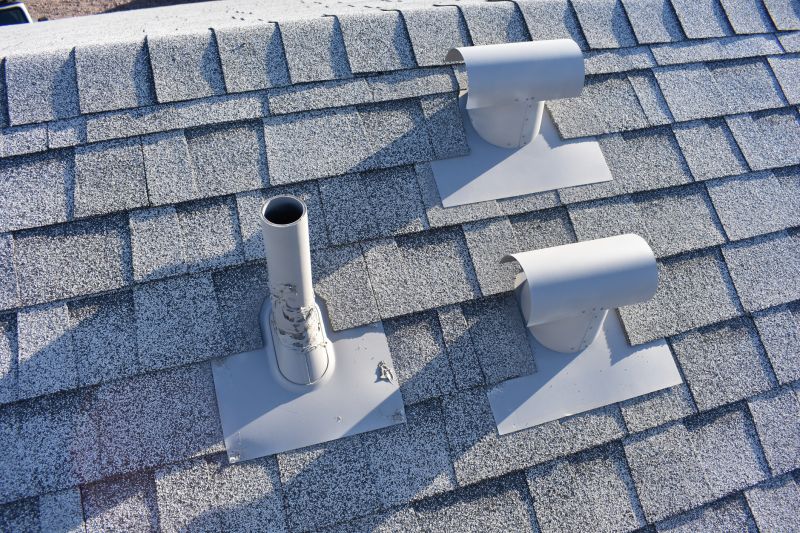
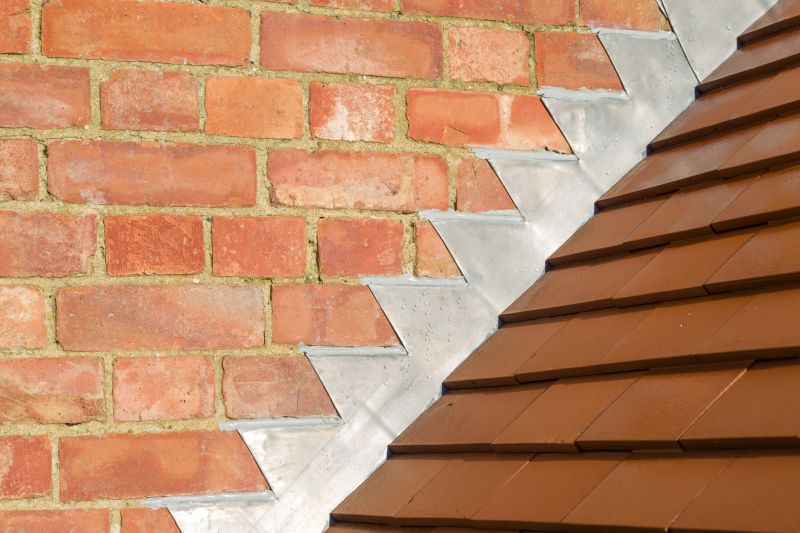
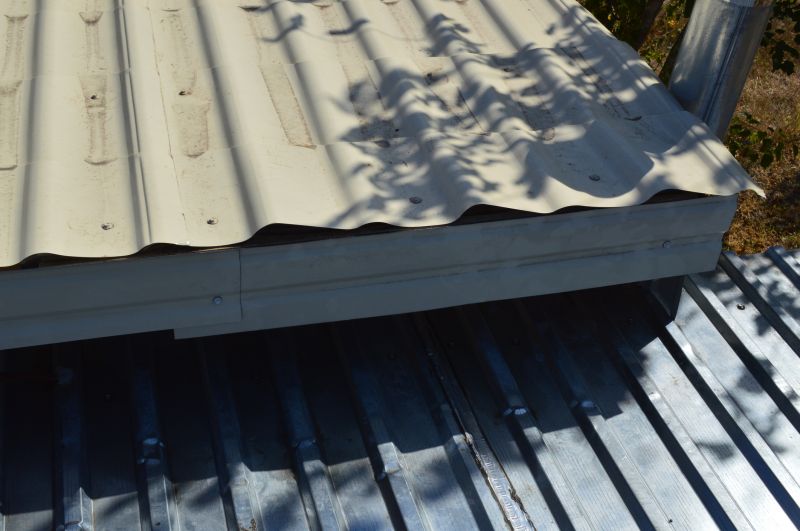
Roof flashing installation involves placing metal strips or barriers around key areas of a roof to protect vulnerable joints and edges. These metal pieces are carefully secured around roof features such as chimneys, vents, skylights, and along roof valleys or eaves. Proper installation ensures that water cannot seep through these seams, preventing leaks and water damage inside the property. Skilled contractors focus on sealing and securing the flashing to create a continuous barrier that withstands weather exposure and maintains the roof’s integrity over time.
This service addresses common problems like leaks, water intrusion, and damage caused by improper sealing or aging flashing materials. Over time, flashing can become loose, corroded, or cracked, especially after severe weather events or due to wear and tear. When flashing fails, it can lead to water seeping into the roof structure, causing mold, rot, or structural deterioration. Installing new or upgraded flashing helps resolve these issues by restoring a tight, waterproof seal around critical roof penetrations and edges.
Roof flashing is typically used on residential properties, including single-family homes, townhouses, and multi-unit complexes. It is also essential for certain commercial buildings with complex roof designs or multiple roof penetrations. Properties with older roofing systems or those in areas prone to heavy rain and snow benefit from professional flashing installation. Properly installed flashing not only protects the building from water damage but also extends the lifespan of the roof, making it a valuable investment for maintaining property value and structural soundness.
Homeowners should consider roof flashing installation if they notice signs of leaks around chimneys, vents, or skylights, or if their roof has experienced recent storm damage. It’s also advisable during roof replacement or repair projects to ensure all vulnerable seams are properly sealed. By working with experienced local contractors, property owners can ensure that flashing is correctly installed and maintained, providing long-lasting protection against water intrusion and related issues.
The overview below groups typical Roof Flashing Installation projects into broad ranges so you can see how smaller, mid-sized, and larger jobs often compare in your area.
In many markets, a large share of routine jobs stays in the lower and middle ranges, while only a smaller percentage of projects moves into the highest bands when the work is more complex or site conditions are harder than average.
Smaller Repairs - Typical costs for minor roof flashing repairs usually range from $250 to $600. Many routine fixes fall within this middle range, depending on the extent of the damage and accessibility. Fewer projects push into higher price tiers unless additional work is required.
Standard Installation - Installing new roof flashing on a standard-sized home generally costs between $1,000 and $2,500. Most projects in this range involve straightforward installations, with larger or more complex roofs potentially increasing the price.
Full Roof Flashing Replacement - Complete replacement of roof flashing can range from $2,500 to $5,000 or more. Larger, more intricate roofing systems tend to push costs toward the higher end, though many projects stay within the middle of this range.
Complex or Custom Projects - Custom or highly detailed flashing work can exceed $5,000, especially for large or multi-story buildings. These projects are less common and typically involve specialized materials or challenging access conditions, leading to higher costs.
Actual totals will depend on details like access to the work area, the scope of the project, and the materials selected, so use these as general starting points rather than exact figures.
Chimney Flashing Replacement - involves similar skills in sealing and installing metal components to prevent water intrusion around chimneys and roof joints.
Roof Valley Installation - requires precise planning and metalwork to ensure water flows correctly through roof valleys, akin to roof flashing techniques.
Skylight Flashing - involves creating watertight seals around skylights, utilizing similar tools and methods as roof flashing installation.
Gutter and Fascia Installation - includes working with roofing materials and ensuring proper water runoff, sharing skills with flashing installation.
Dormer Roofing Projects - entails integrating flashing and sealing around dormers to prevent leaks, requiring similar planning and craftsmanship.
Storm Damage Roof Repairs - involves replacing or repairing flashing and roofing materials damaged by severe weather, utilizing comparable techniques and tools.
When comparing local contractors for roof flashing installation, it’s important to consider their experience with similar projects. Homeowners should look for service providers who have a proven track record of handling roof flashing work in homes comparable to their own. An experienced contractor is more likely to understand the nuances of different roofing materials and construction styles, which can contribute to a more effective and durable installation. Asking about past projects or reviewing portfolios can help gauge a contractor’s familiarity with the specific requirements of flashing installation on residential roofs.
Clear written expectations are essential to ensure that both the homeowner and the service provider are aligned on the scope of work. When evaluating local pros, it’s helpful to request detailed descriptions of the services they offer, including the materials they plan to use and the steps involved in the installation process. This transparency helps prevent misunderstandings and provides a basis for comparing different contractors. A reputable service provider will be willing to articulate their approach and clarify any questions, helping homeowners feel more confident in their choice.
Reputable references and good communication are key indicators of a reliable local contractor. Homeowners should seek out service providers who can provide references from previous clients with similar projects, offering insights into their work quality and professionalism. Additionally, effective communication throughout the process - including responsiveness to questions and clarity about procedures - can make the experience smoother and more predictable. It’s worth noting that this site’s role is to introduce homeowners to local options, not to perform the work itself, so taking the time to research and compare these factors can help ensure a positive outcome with the right service provider.
Property owners use Roof Flashing Installation services for practical projects around their homes and businesses. This guide focuses on everyday jobs and straightforward project options.

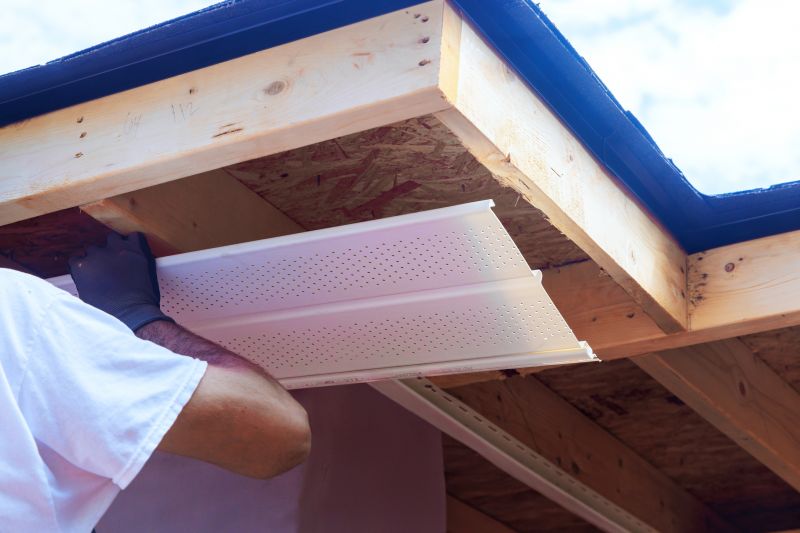
Roof flashing installation is a common project for property owners dealing with issues like leaks around chimneys, vents, or skylights. Over time, weather exposure can cause existing flashing to deteriorate or become loose, leading to water intrusion and potential damage to the interior. Local contractors who specialize in roof flashing can assess these problem areas and provide effective solutions to help protect the property from future leaks and water-related issues.
Homeowners may also seek roof flashing services when undertaking roof repairs or upgrades, especially if they notice signs of rust, corrosion, or missing flashing components. Proper installation of flashing around roof protrusions and edges is essential for maintaining the roof’s integrity and preventing costly repairs down the line. Service providers in the area are equipped to handle these tasks, ensuring that flashing is installed correctly and securely to withstand local weather conditions.
What is roof flashing installation? Roof flashing installation involves adding metal or other weather-resistant materials around roof features like chimneys, vents, and valleys to prevent water intrusion and protect the roof structure.
Why is proper roof flashing important? Proper roof flashing helps direct water away from critical areas, reducing the risk of leaks, water damage, and structural issues over time.
What types of roof flashing are commonly installed? Common types include step flashing, continuous (or base) flashing, and kick-out flashing, each suited for different roof features and configurations.
How do local contractors ensure quality roof flashing installation? Local contractors assess the roof, select appropriate flashing materials, and follow best practices to ensure effective waterproofing and durability.
What factors influence the choice of roof flashing materials? Factors include the roof’s material, climate conditions, and the specific location on the roof where flashing is needed.
Prevent Water Damage - Proper roof flashing installation helps keep water from seeping into the home, protecting ceilings and walls during heavy rain.
Improve Roof Durability - Skilled contractors can ensure flashing is correctly installed to extend the lifespan of roofing materials.
Address Leak Issues - Local service providers can replace or repair existing flashing to stop ongoing leaks and water intrusion.
Upgrade Roofing Systems - Property owners can enhance their roof’s performance by having experienced pros install or upgrade flashing around chimneys, vents, and skylights.
If you are thinking about Roof Flashing Installation for a property, this guide is meant to help you understand the work, the typical project types, and how different options might fit your plans.
When you are ready, you can use the quote form on this page to share a few details about your project. From there, local pros can review the basics and respond with options that match what you have in mind.